

Romania
Payment for Ecosystem Services (PES) Scheme Overview
Mixed Crowdfunding
Co-financing biodiversity and eco-tourism through CAP eco-schemes, private investment from eco-tourism businesses, and citizen crowdfunding in in Cluj and Apuseni Mountains, Romania’s High Nature Value farming landscapes.
GAL
Local Action Group intermediary
Galantom.ro
Citizen crowdfunding portal
About the Scheme
This pilot aims to develop a mixed result-based PES scheme co-financed by CAP eco-schemes, private investment from eco-tourism companies, and citizens through crowdfunding. It rewards farmers for delivering measurable biodiversity outcomes while engaging in eco-tourism activities.
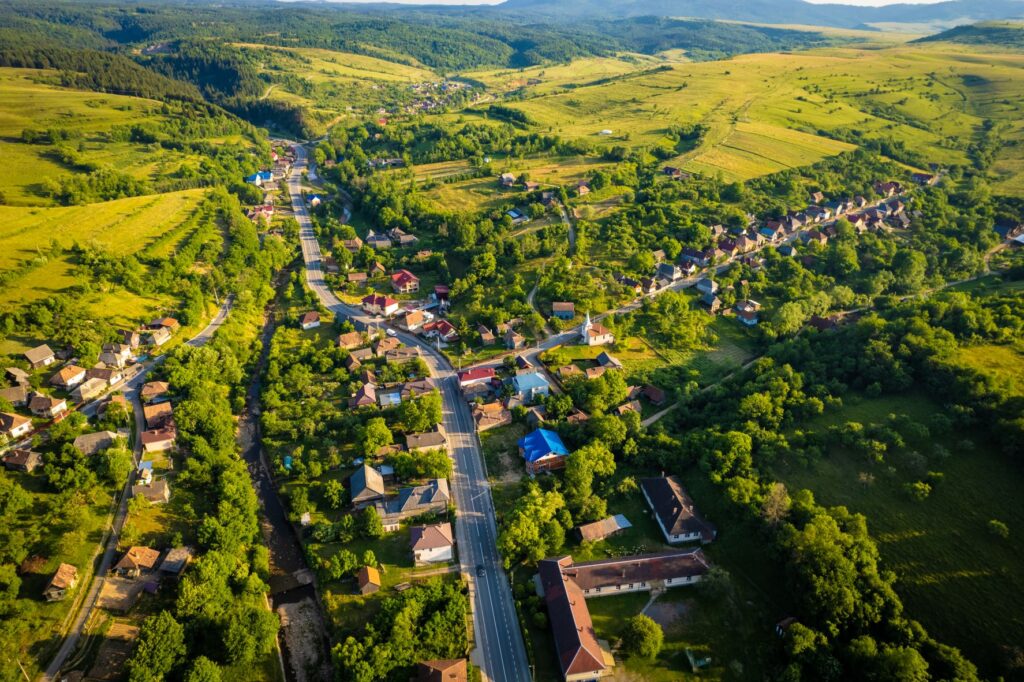
Buyers include public authorities, citizens, and eco-tourism companies, with GAL acting as the key intermediary. Located near the Apuseni Mountains, the area combines High Nature Value farming areas with a growing green tourism sector (500,000+ visitors/year).
The scheme builds on the LEADER in green for community-led rural development activities (multi-funds strategy, eco-tourism activities), led by GAL, drawing on expertise in bottom-up approaches.
Biodiversity Gains
Hedgerows, margins, and low-input practices.
Citizen Rewards
Donors receive farm visit and event passes.
Green Tourism
Integrates conservation into local value chain.
©GAL
The Business Case
Strategic Interest for the Private Sector: Why local businesses and eco-tourism actors are co-investing in landscape quality.
Co-Investing in Eco-Tourism Assets: Private actors (tourism businesses, guesthouses, organic product brands, heritage tour operators) are motivated to invest in this scheme as biodiversity and landscape quality are core assets for visitors. Co-investment in the scheme allows for stronger integration into the eco-tourism value chain.
Guesthouses and Hotels
Enhances natural surroundings, creating premium appeal for eco-conscious travelers.
Organic Product Brands
Directly connects regional produce with verified, high-nature-value farm origins.
Heritage Tour Operators
Offers unique experiences, farm visits, and rural workshops to tour packages.
Intended Expansion Strategy
Led by GAL, evolving into a blended CAP, private, and citizen crowdfunding model.
Year 1
Pilot Launch
Căpușu Mare, Mănăstireni, Sâncraiu €13,000 Total
Launch of biodiversity-friendly practices across 5 pilot farms in Căpușu Mare, Mănăstireni, and Sâncraiu. Crowdfunding is initiated on Galantom.ro alongside CAP and guesthouse co-investment.
Farm Count
5 Farms
Land Covered
5 hectares
Funding Mix
CAP (€5,000),
Private Guesthouses (€5,000),
Crowdfunding (€3,000)
Year 2
Expansion
Mărgău, Măguri-Răcătău, Săcuieu €26,000 Total
Expanding to 10 farms across Mărgău, Măguri-Răcătău, and Săcuieu. Farms adopt low-input agricultural practices, hedgerow restoration, and field margin management directly tied to eco-tourism visits.
Farm Count
10 Farms
Land Covered
10 hectares
Funding Mix
Blended CAP, Private, and Citizen co-financing
Year 3
Scale-Up
Mărișel, Gilău, Călățele, Aghireșu, Râșca €39,000 Total
Scaling up to 20 farms covering 20 hectares across 5 municipal zones. Begins formal market integration, creating linkages with broader regional markets such as the Nature Restoration Fund.
Farm Count
20 Farms
Land Covered
20 hectares
Funding Mix
Full blended finance scheme & Nature Restoration Fund links
Challenges and Opportunities
Addressing operational hurdles and scaling across European HNV regions.
Scaling Barriers
1
Institutional Frameworks
Limited institutional frameworks currently exist to connect individual farmers directly with private buyers and eco-tourism enterprises.
2
Local Awareness
Limited awareness among farmers and local businesses about environmental service values and their direct link to eco-tourism assets.
3
Measurement Capacity
Insufficient capacity to measure, verify, and monitor biodiversity outcomes cost-effectively on smaller extensive plots.
European Transferability
Italy 22,000+ agritourism farms
Extensive agritourism networks offer high potential for co-investing in surrounding High Nature Value farming landscapes.
Poland 8,000 agrotourism facilities
Strong presence of HNV farmland tied to rural tourism infrastructure, well-suited for blended funding models.
Slovenia 1,000 tourist farms
Hospitable rural tourist farms with rich cultural landscapes suited for bottom-up crowdfunding and LEADER strategies.